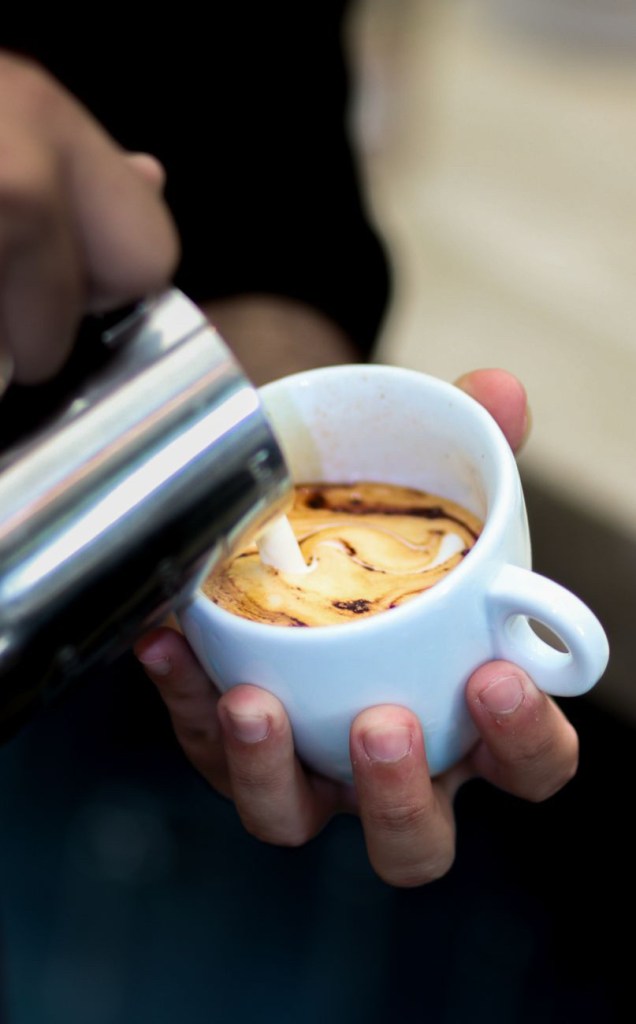
☕
There are mornings that begin with coffee, afternoons that are rescued by coffee, conversations that become warmer over coffee, and quiet evenings made more beautiful with a cup in hand.
Coffee is far more than a beverage. It is a ritual, a social experience, an agricultural treasure and, for millions of people, a daily necessity.
Today, coffee connects farmers in Ethiopia, Brazil, Colombia and Vietnam with cafés in Paris, New York, Delhi, Tokyo and Melbourne. But where did this extraordinary journey begin?
🌍 Where Did Coffee Culture Begin?
The story of coffee begins in Ethiopia, widely regarded as the birthplace of the coffee plant. According to the International Coffee Organization, the coffee tree probably originated in Ethiopia’s Kaffa region.
The familiar legend tells of a goat herder named Kaldi who noticed his goats becoming unusually energetic after eating red coffee cherries. Whether the story is historically true or not, Ethiopia undeniably has one of the world’s oldest coffee traditions.
From Ethiopia, coffee travelled across the Red Sea to Yemen, where it was cultivated as a commercial crop by the 15th century. Sufi communities used coffee to help maintain concentration during long evening prayers.
Yemen then became the centre of the early coffee trade. The port of Mocha became so closely associated with coffee that “mocha” eventually became part of coffee vocabulary around the world.
Coffee houses subsequently spread through the Middle East, then Europe and eventually the Americas and Asia. By the 17th century, coffeehouses had become meeting places where people discussed business, politics, literature and ideas.
In other words, the coffeehouse was one of the world’s earliest social networks.
☕ Coffee Around the World: Different Beans, Different Personalities
One of the most fascinating things about coffee is that the same basic beverage can taste completely different depending on where the beans are grown, how they are processed, roasted and brewed.
Here are some of the world’s most celebrated coffee origins.
🇪🇹 Ethiopian Coffee — Floral, Fruity & Wine-Like
Ethiopia is often considered the birthplace of Arabica coffee.
Ethiopian coffees are famous for their floral aromas, berries, citrus, jasmine and tea-like delicacy. Some can taste almost like a fruit infusion rather than traditional coffee.
Typical flavours:
🌸 Jasmine • 🍓 Berries • 🍋 Citrus • 🍑 Stone fruit • 🍵 Tea-like
For someone who wants to discover the more delicate side of coffee, Ethiopian coffee is an excellent place to start.
🇨🇴 Colombian Coffee — Smooth, Balanced & Fruity
Colombia is one of the world’s most famous coffee origins and is particularly renowned for high-quality washed Arabica.
Colombian coffee often combines bright acidity with caramel sweetness, fruitiness and chocolate-like notes.
Typical flavours:
🍫 Chocolate • 🍊 Citrus • 🍯 Caramel • 🍎 Red fruit • 🌰 Nuts
It is one of those coffees that can appeal to both beginners and experienced coffee drinkers.
🇧🇷 Brazilian Coffee — Nutty, Chocolatey & Full-Bodied
Brazil is not only a coffee giant; it is the world’s largest coffee producer. Recent production estimates put Brazil far ahead of other producing countries.
Brazilian coffees are frequently associated with chocolate, nuts, caramel and a smooth body, making them particularly popular in espresso blends.
Typical flavours:
🍫 Dark chocolate • 🌰 Hazelnut • 🍯 Caramel • 🍞 Toast • 🍫 Cocoa
And coffee is deeply embedded in Brazilian culture — the little cup of coffee known as cafezinho is an important symbol of hospitality.
🇻🇳 Vietnamese Coffee — Strong, Bold & Chocolatey
Vietnam is the world’s second-largest coffee producer and is particularly famous for Robusta coffee.
Vietnamese coffee is often intense, powerful and earthy, with a pronounced bitterness that works beautifully with sweetened condensed milk.
The classic cà phê sữa đá — strong coffee over ice with condensed milk — is one of the world’s great coffee experiences.
Typical flavours:
🍫 Cocoa • 🌰 Roasted nuts • 🍂 Earthy • 🍯 Sweet • 🔥 Intense
🇮🇩 Indonesian Coffee — Earthy, Spicy & Rich
Indonesian coffees, particularly those from Sumatra, are famous for their distinctive earthy character and heavy body.
They can have flavours reminiscent of dark chocolate, spices, herbs and sometimes tobacco-like richness.
Typical flavours:
🌿 Earthy • 🍫 Dark chocolate • 🌶️ Spice • 🌰 Nuts • 🍂 Herbal
If you prefer strong, deep coffee rather than bright and fruity coffee, Indonesian beans may become a favourite.
🇰🇪 Kenyan Coffee — Bright, Juicy & Complex
Kenyan coffee is beloved by specialty-coffee enthusiasts for its lively acidity and fruit-forward character.
Typical flavours:
🍇 Blackcurrant • 🍋 Citrus • 🍓 Berries • 🍷 Wine-like acidity
It can be remarkably juicy and vibrant.
🇬🇹 Guatemalan Coffee — Chocolate, Spice & Citrus
Guatemalan coffee benefits from high-altitude growing regions and volcanic soils.
It often combines chocolate and caramel sweetness with citrus and subtle spice.
Typical flavours:
🍫 Chocolate • 🍊 Orange • 🍯 Caramel • 🌶️ Spice
🇨🇷 Costa Rican Coffee — Clean, Sweet & Bright
Costa Rica is known for carefully processed Arabica coffees.
The cup is often clean and bright, with citrus, honey, caramel and fruit notes.
Typical flavours:
🍋 Citrus • 🍯 Honey • 🍎 Apple • 🍫 Chocolate
🇮🇳 Indian Coffee — Spicy, Smooth & Distinctive
India may be better known domestically as a tea-drinking nation, but it produces some very interesting coffees.
Indian coffee can have spicy, cocoa, nutty and earthy characteristics. Monsooned Malabar is particularly unusual: exposure to humid monsoon air gives the beans a distinctive mellow, low-acidity character.
Typical flavours:
🌰 Nuts • 🍫 Cocoa • 🌿 Spice • 🌧️ Earthy • 🍯 Mellow
And for an Indian coffee lover, there is something wonderfully special about drinking a cup grown in the hills of Karnataka, Kerala or Tamil Nadu.
🇭🇳 Honduran Coffee — Sweet, Fruity & Chocolatey
Honduran coffee is increasingly recognised in specialty coffee.
Depending on the region and processing method, it can offer chocolate, caramel, tropical fruit and honey-like sweetness.
☕ And Then There Are the Coffees We Order
Coffee doesn’t only differ according to its country of origin. The brewing method and ingredients can transform the same bean into completely different drinks.
🇮🇹 Espresso
Small, concentrated and intense. Espresso is the foundation of many Italian coffee drinks.
Taste: Rich, concentrated, aromatic and sometimes bittersweet.
🇮🇹 Cappuccino
Espresso combined with steamed milk and milk foam.
Taste: Creamy, balanced and smooth.
🇮🇹 Caffè Latte
Espresso with considerably more steamed milk than a cappuccino.
Taste: Mild, creamy and naturally sweet from the milk.
🇮🇹 Macchiato
Espresso “marked” with a small amount of milk or foam.
Taste: Stronger and more espresso-forward than a latte.
🇫🇷 Café au Lait
Traditionally coffee combined with warm milk.
Taste: Soft, comforting and milky.
🇺🇸 Americano
Espresso diluted with hot water.
Taste: Lighter than straight espresso but still aromatic.
🇹🇷 Turkish Coffee
Extremely finely ground coffee is brewed directly in water, traditionally without filtering out the grounds.
Taste: Strong, thick, intense and aromatic.
🇬🇷 Greek Coffee
Closely related to the Turkish-style preparation, traditionally brewed slowly in a small pot.
Taste: Rich, intense and unfiltered.
🇻🇳 Vietnamese Coffee
Strong coffee is commonly brewed through a phin filter and served with condensed milk, either hot or iced.
Taste: Bold, sweet, creamy and intense.
🇮🇪 Irish Coffee
Coffee combined with whiskey, sugar and cream.
Taste: Rich, warming and indulgent.
🇦🇹 Viennese Coffee
A traditional style associated with Vienna’s famous café culture, often combining strong coffee with whipped cream.
Taste: Rich, creamy and luxurious.
🇪🇸 Café con Leche
Espresso-style coffee with hot milk.
Taste: Smooth, milky and robust.
🇵🇹 Galão
A Portuguese milk coffee traditionally served in a tall glass.
Taste: Light, milky and gentle.
🇦🇺 Flat White
A favourite of modern Australian and New Zealand café culture.
It uses espresso with finely textured steamed milk.
Taste: Silky, creamy and more coffee-forward than a latte.
🇯🇵 Japanese Iced Coffee
Hot-brewed coffee is extracted directly over ice.
Taste: Bright, aromatic and exceptionally refreshing.
🇺🇸 Cold Brew
Coffee grounds are steeped in cold water for many hours rather than extracted with hot water.
Taste: Smooth, mellow and often less sharp or acidic.
☕ Mocha
Espresso combined with chocolate and milk.
Taste: Chocolatey, creamy and indulgent.
🌎 How Coffee Became a Global Business
What began as a plant growing in the forests of Ethiopia eventually became one of the world’s most important agricultural commodities.
Coffee is now grown commercially in more than 60 countries, and the International Coffee Organization says the industry supports the livelihoods of around 125 million people.
The FAO estimates that as many as 25 million farming households account for around 80% of global coffee production.
That means every cup represents an enormous global chain:
Coffee farmer → coffee cherry → processing → exporter → importer → roaster → café/barista → your cup.
And the business has evolved dramatically.
We have moved from traditional coffeehouses to:
- Specialty coffee shops
- Independent micro-roasters
- Single-origin beans
- Coffee subscriptions
- Home espresso machines
- Pour-over brewing
- Cold brew
- Ready-to-drink coffee
- Coffee capsules
- Instant specialty coffee
- Coffee tourism
- Barista competitions
- Sustainable and ethically sourced coffee
The modern coffee lover is no longer simply asking, “Coffee or tea?”
They are asking:
“Which origin? Which variety? Which roast? Which processing method? Which brewing method?”
That is how sophisticated coffee culture has become.
☕ How Many People Drink Coffee?
There is no single universally agreed figure because countries measure coffee consumption differently, but widely cited estimates put the number of coffee drinkers at around 1 billion people worldwide.
The scale is extraordinary.
The world consumes more than 100 million 60-kg bags of coffee annually, with recent estimates reaching well above 170 million bags depending on the year and methodology. The International Coffee Organization notes that annual world consumption has surpassed 130 million bags, while newer datasets put global consumption considerably higher.
So when you take your morning sip, remember: somewhere around a billion other people are doing something very similar.
🇧🇷 Which Country Produces the Most Coffee?
Brazil is the undisputed leader.
It has been the world’s dominant coffee-producing country for generations. Recent data puts Brazil at roughly 35–40% of global production, depending on the crop year and measurement. Vietnam is generally second, followed by countries such as Colombia and Indonesia.
Brazil is particularly important for Arabica, while Vietnam is especially important for Robusta.
Together, these two countries account for more than half of global coffee production in some recent production estimates.
🇺🇸 Which Country Consumes the Most Coffee?
There is an important distinction here.
By total volume:
The United States is the world’s largest single-country coffee consumer.
USDA data for 2025/26 places U.S. domestic consumption at about 26.55 million 60-kg bags, ahead of Brazil at about 22.28 million.
The United States also consumed an estimated 169.1 billion six-ounce cups during 2024–25, according to USDA-based figures compiled by USAFacts.
By consumption per person:
The answer changes dramatically.
Small European countries dominate per-capita rankings. Some recent datasets put Luxembourg at the top, with Finland also extraordinarily high. Luxembourg’s unusually high figure is partly influenced by its large commuter population.
So:
🏆 Largest producer: Brazil
🏆 Largest consumer by total volume: United States
☕ Among the world’s highest per-capita coffee cultures: Luxembourg and Finland
❤️ Why Do We Love Coffee So Much?
Perhaps the real secret of coffee isn’t caffeine.
It’s the moment.
The smell of freshly ground beans.
The sound of coffee being brewed.
The warmth of the cup between your hands.
The first sip on a quiet morning.
A conversation with a friend across a café table.
A book beside your cappuccino.
A solo coffee date when you simply want to sit with yourself.
Coffee has managed to become both intensely personal and profoundly social.
It can be a five-minute morning ritual or a two-hour conversation.
It can be inexpensive street coffee or an exquisite single-origin pour-over.
It can be bitter, sweet, fruity, floral, smoky, spicy, chocolatey or nutty.
And perhaps that’s why coffee has conquered the world.
Coffee doesn’t have just one personality.
It has a thousand.
And somewhere in those thousand flavours, there is probably a cup waiting to become your favourite.
☕ So, coffee lovers, the next time you order your favourite cup…
Don’t just ask “What coffee would you like?”
Ask:
“Where did it come from?”
Because behind that little cup is a story that began in the forests of Ethiopia, travelled through Yemen’s ancient coffee trade, crossed continents, transformed cultures and eventually found its way into your hands.
And that’s what makes coffee much more than coffee.
It’s history, culture, agriculture, business, craftsmanship and pleasure — all in one cup. ☕️
Enjoy your coffee.
Stay happy, stay healthy , stay safe, stay connected.
Ramneet Kaur

